A garage door is easy to treat as a convenience item until it fails at the wrong time. Most people notice it when it jams, rattles, lets in draughts, or starts looking tired from weather exposure. What often gets missed is the larger role it plays in the safety and resilience of the home itself. In parts of Australia that face severe storms and cyclones, that role becomes much more serious.
Compliance matters because a garage door is not just a moving panel at the front of the house. It is part of a large opening in the building envelope. If that opening fails in extreme weather, wind can enter the house and increase damage to roofs and walls. That is why Queensland guidance treats garage doors as a priority item in cyclone preparation and resilience work. It is also why garage door replacement should never be approached as a simple cosmetic upgrade.
People usually start the replacement conversation for practical reasons. The door is noisy. The motor is unreliable. The seal at the bottom has perished and the garage feels dusty, hot, or damp. The tracks look worn. The remote only works when it feels like it. Those are valid reasons to act. Still, the replacement decision becomes much more valuable when it is tied to compliance, wind rating, safe installation, and the overall performance of the opening under real conditions.
The real issue behind compliance
Compliance can sound abstract until you connect it to what happens in a storm. Official Queensland guidance is clear that homeowners should prepare before storm season and only go outside after it is officially safe. That preparation includes attention to the garage door. A garage door should comply with AS/NZS 4505 and be correctly rated for wind pressure, or have a bracing system that can be installed before a cyclone.
That single point changes the whole conversation. A non-compliant door is not just old. It may be a weak point in the house. Queensland housing guidance goes further and identifies replacing existing garage doors and frames with wind-rated versions as part of household resilience work. It also notes that non-compliant garage doors can be a cost-effective replacement target when improving cyclone resilience.
That language matters. Cost-effective does not mean cheap. It means the replacement may deliver a meaningful reduction in risk compared with many other upgrades. In practice, homeowners often spend money on visible improvements first, paint, landscaping, new storage systems, while an ageing garage door remains in place because it still opens and closes. In a high-wind region, that can be the wrong priority.
Why garage doors deserve more respect than they get
A front door is smaller, heavier in proportion to its opening, and usually treated with more caution. A garage door is broad, often heavily used, and exposed to heat, dust, rain, and impact. It also combines structure, movement, hardware, and in many homes, automation. That creates a complicated assembly, not a simple panel.
When I talk to property owners about garage door replacement, one of the most common assumptions is that if the opener works, the door must be fine. That is not a safe assumption. Garage door openers are only one part of the system. The condition of the door itself, the frame, the garage door tracks, and the way the whole assembly is secured all matter. A door can move up and down every day and still be unsuitable for severe weather or no longer compliant with current expectations.
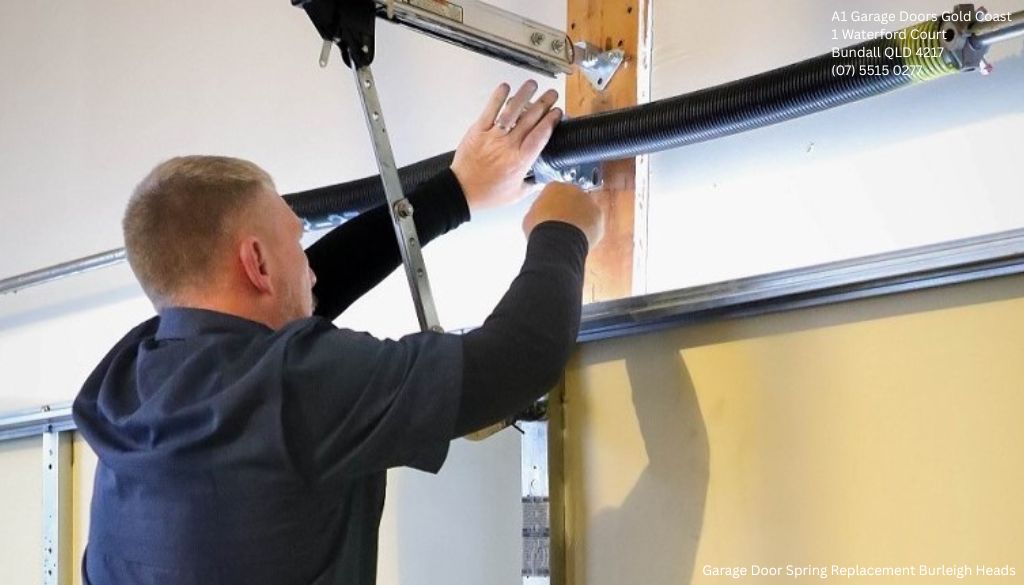
The same goes for garage door springs. Homeowners tend to notice springs only when something breaks or the door suddenly feels https://goldcoastgaragedoorrepair.com.au/southport-qld/ wrong. Yet springs are part of the operating system of the door, and any replacement project should consider the condition of the full assembly rather than just swapping out the most obvious failed part. A piecemeal fix can restore function without addressing the bigger issue.
Replacement is often about resilience, not appearance
There is nothing wrong with wanting a neater, quieter, better-looking garage door. The trouble starts when appearance takes priority over suitability. In Queensland, resilience guidance specifically supports replacing non-compliant doors and frames with wind-rated versions. That tells you what professionals in this space already know from experience: in the right climate, the safest replacement is the one that matches the environmental risk, not merely the one that suits the façade.
A common example is the homeowner who decides to replace an old door after a near miss. Maybe the last storm rattled the panels, or the opener failed during heavy weather, or water and debris found their way into the garage. In many of those cases, the previous door had been tolerated for years because it remained serviceable in fair conditions. The storm revealed what everyday use had hidden.
There is another angle here that gets less attention, and that is comfort and efficiency. Australian energy-efficiency guidance notes that draught stoppers at the base of doors can help reduce heat loss. That is especially relevant for attached garages or garages that share walls with living spaces. A replacement project is a chance to improve draught-proofing and reduce the constant flow of outside air under a poorly sealed door. It is not the same thing as wind compliance, but it is part of the broader performance picture and often worth dealing with at the same time.
What compliance changes in a replacement project
A compliant garage door replacement is a different exercise from a basic remove-and-refit job. The first question is not colour or style. It is whether the opening needs a wind-rated door, whether the existing frame is appropriate, and whether a bracing system is part of the intended protection strategy.
Queensland Government cyclone-preparation guidance says the garage door should either comply with AS/NZS 4505 and be correctly rated for wind pressure, or have a bracing system that can be installed before a cyclone. That means the replacement decision must connect the product, the opening, and the local hazard profile. A door that looks solid is not enough. A smooth motor is not enough. Compliance is about whether the installation is suitable for the conditions it may face.
This is where homeowners can get tripped up by good intentions. They may compare quotes based on visible features, a quieter motor, a nicer finish, remote options, but fail to ask whether the replacement addresses the real risk. If the property is in a cyclone-prone area, that is not a minor omission. It is the heart of the job.
The hidden weakness of the old frame
One of the more useful pieces of Queensland housing guidance is that it refers not only to replacing the garage door, but also the frames with wind-rated versions. That detail deserves attention because doors are often discussed in isolation. Yet a stronger door fitted into an inadequate frame does not solve the problem. The opening has to work as a system.
This is a familiar issue on older homes. The owner focuses on the moving leaf because it is the obvious part. The quote may even be framed around the panel and opener. Then a closer look shows that the frame arrangement is part of the weakness. At that point, a proper replacement may cost more than expected, but it is also far more likely to achieve the resilience outcome the owner thought they were buying in the first place.
There is no value in pretending otherwise. Compliance sometimes increases the scope of work. It may mean a different product, extra structural attention, or installation methods that go beyond a simple swap. That can be frustrating if the original goal was just a quieter or more modern door. It is still better to learn that before installation than after the next severe weather warning.
Garage door openers are convenience equipment, not storm protection
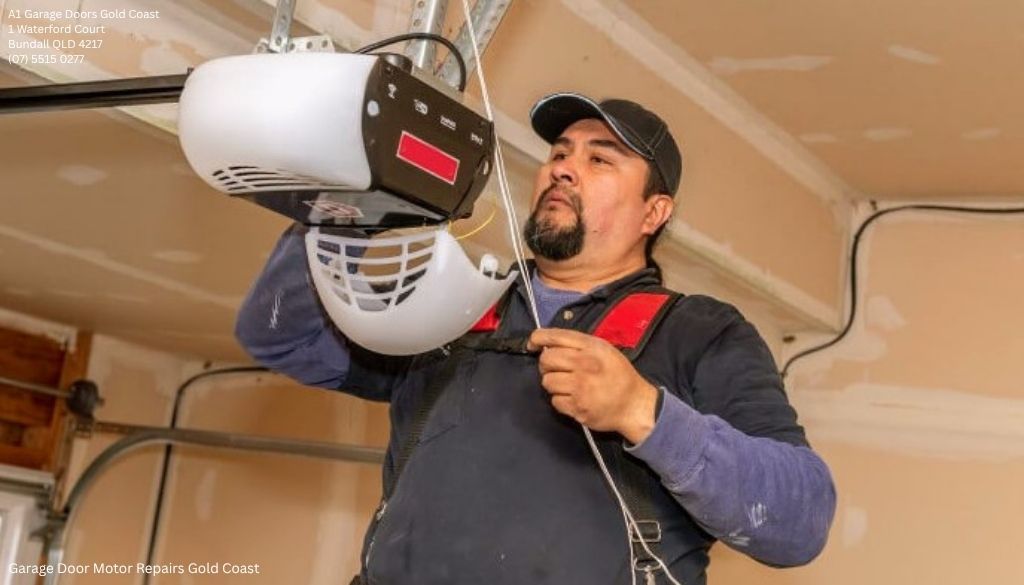
Automation has changed expectations around garages. People want reliable remotes, smooth operation, and backup access options. That is sensible. But garage door openers should be kept in perspective. They improve everyday usability. They do not replace compliance.
Storm preparation guidance in Queensland also advises people to secure loose outdoor items, park vehicles under shelter if possible, and unplug electrical items. For homeowners with powered garage doors, those points come together in a practical way. If severe weather is expected, the garage often becomes the preferred shelter for vehicles, and the powered system becomes part of how the property is secured before the event. That makes reliable access important. It does not make the opener a substitute for a suitable door.
I have seen owners spend heavily on smart features while leaving the core assembly unchanged. The result is a more convenient version of the same vulnerability. A replacement project should start with the door, frame, rating, and installation. The opener comes after that. It matters, but it is not the first question.
Tracks, springs, and the temptation to patch rather than replace
There is a strong temptation to keep repairing an ageing door one component at a time. Replace the remote. Service the motor. Adjust the garage door tracks. Swap tired hardware. Address the garage door springs when they start causing trouble. In many cases, that is reasonable maintenance. Not every door needs full replacement the moment a part wears out.
The problem is timing and context. If a door is already non-compliant, or if the frame is inadequate, repeated repairs can become a way of avoiding the real issue. Money gets spent, function returns for a while, and the owner assumes the system has been made safe because it has been made operational.
Those are not the same thing.
A good contractor will distinguish between maintenance and resilience work. If the tracks need attention on an otherwise suitable system, that is one thing. If the tracks are part of a larger assembly that does not meet the required standard or wind-pressure expectations for the area, then a repair-only approach may not be the right advice. The same logic applies to springs and openers. Restoring movement is not identical to restoring compliance.
Product safety is part of the picture
Australian product-safety guidance makes a broader point that applies here as well: products subject to mandatory safety standards must meet specific safety criteria before sale. You do not need to turn that into legal theory to see the practical lesson. Garage door components and accessories are safety-relevant products, and replacement work should be approached with the same seriousness as any other building-related upgrade.
This matters because garages combine moving parts, electrical equipment, and a very large opening in the home. If a product is being sold into that environment, safety and suitability cannot be treated as optional extras. Homeowners do not need to become regulators, but they should expect competent advice and should be wary of any replacement proposal that glosses over standards, ratings, or the relationship between the door and local weather risk.
Storm preparation starts before the forecast turns ugly
Queensland emergency guidance emphasises preparing before storm season, not after a warning is issued. That is worth repeating because many garage door decisions are made reactively. The door fails during bad weather, or a major event exposes the weakness, and then the replacement is rushed. That is exactly when owners are most vulnerable to poor decisions, limited stock choices, and shortcuts.
A better approach is quieter and less dramatic. Assess the existing garage door before storm season. Ask whether it is compliant, whether it is correctly rated for wind pressure, and whether a bracing system is required. If the answer is uncertain, that uncertainty is itself useful information. It tells you the door should not simply be assumed adequate because it has not failed yet.
There is also a practical preparedness angle. A garage often stores tools, outdoor items, and vehicles. Official storm advice to secure loose items and park under shelter if possible makes the garage a key part of household preparation. A door that cannot be relied on during that process adds stress exactly when people need a straightforward plan.
The role of qualified contractors
Queensland resilience guidance also recommends working safely or using a qualified contractor when securing vulnerable parts of the home. That advice fits garage door replacement perfectly. A compliant installation is not just about the product ordered from a catalogue. It is about assessment, fit, fixing, operation, and the relationship between the door and the opening.
That is especially important where bracing systems are involved or where an older opening may need more than a like-for-like door swap. A qualified contractor can help identify whether the existing setup is merely tired or genuinely unsuitable. They can also explain where the replacement scope should include the frame rather than the leaf alone.
Homeowners are often nervous about asking basic questions because they do not want to sound uninformed. They should ask anyway. Is the door compliant? Is it correctly rated for wind pressure for this property? Does the frame need replacement as well? Is a bracing system part of the protection strategy? Those are not awkward questions. They are the right questions.
Replacement as part of a broader household strategy
Garage door replacement works best when it is seen as one part of a broader resilience plan. Queensland guidance on preparing for natural disasters points to protecting openings and securing vulnerable parts of the home. Garage doors fit naturally into that bigger picture. So do shutters and other opening protections in the wider house.
That broader view helps avoid a common mistake, treating the garage as an isolated outbuilding when it is attached to or integrated with the home. If the garage opening is compromised, the consequences may travel well beyond the garage itself. That is exactly why guidance warns that failure can increase damage to roofs and walls.
At the same time, homeowners should not feel they need to solve every issue at once. Sometimes the most sensible sequence is to address the garage door first because it is the largest obvious weakness. Queensland housing guidance supports that logic by identifying non-compliant garage doors as a cost-effective resilience target. In practical terms, that means there are cases where replacing the garage door is not the final flourish on a renovation plan. It is one of the smartest first moves.
What a careful homeowner should prioritise
If you strip away the sales language that often surrounds home upgrades, the priorities are fairly plain. First, understand whether the existing garage door is compliant and suitable for local conditions. Second, treat the opening as a system, not just a moving panel. Third, avoid confusing convenience upgrades with resilience improvements. A newer opener may make life easier, but it does not answer questions about wind pressure, framing, or storm performance.
There is also value in not overcomplicating the issue. You do not need a dramatic failure to justify replacement. If the current setup is non-compliant, uncertain, or clearly ageing in a storm-prone area, the case for action is already there. The best time to replace a vulnerable garage door is before the next severe weather event tests it.
Why compliance is the part that lasts
Paint fades. Motors age. Seals wear. Technology changes. Compliance is different. It shapes whether the replacement was fundamentally right for the house and the environment from the start. That is why it matters so much.
A compliant garage door replacement can improve daily use, reduce draughts, support safer storm preparation, and strengthen the home against extreme weather. A non-compliant replacement may still look better and operate smoothly, but it leaves the underlying question unanswered. For many households, especially in cyclone-prone parts of Queensland, that is too large a risk to ignore.
The smartest garage door replacement is not always the one with the flashiest features or the lowest upfront price. It is the one that respects the opening, the weather, the standard, and the reality that a garage door is part of the home’s protection, not just its access point. When that understanding drives the decision, compliance stops sounding like bureaucracy and starts looking exactly like what it is: sound judgment.