A garage door that refuses to close properly can turn a routine day into a frustrating one fast. Sometimes it stops halfway, sometimes it touches the floor and reverses, and sometimes it seems to have a mind of its own. People often assume the fix will be simple. Tighten something, reset something, try the remote again. That instinct makes sense. The trouble is that a garage door is not one part or one problem. It is a system, and when closing goes wrong, the root cause can sit in several different places at once.
That is why professional diagnosis matters more than many homeowners expect. A closing fault might look minor on the surface, yet the underlying issue could involve worn components, poor garage door alignment, a motor problem, spring wear, or environmental wear on hardware. If you jump straight to trying to fix garage door behavior without understanding what is actually failing, you can waste time, spend money on the wrong parts, or create a safety risk.
A lot of service calls start with the same sentence: “The door opens fine, it just won’t close properly.” That sounds narrow, but in practice it can point in several directions. The best technicians do not start with assumptions. They observe the door’s movement, listen to the motor, inspect the hardware, and work through the system methodically. That discipline is what turns a vague complaint into the right repair.
Why “not closing properly” is more complicated than it sounds
A garage door only has one job in that moment, moving downward and sealing the opening. Yet to do that, several components have to work together. The motor has to drive the motion consistently. The springs have to support and balance the weight. The tracks and rollers have to guide the door smoothly. Remotes and control systems have to communicate reliably. If one part falls out of step, the symptom can look like a simple closing problem even when it is not.
That is where many DIY attempts go off course. People focus on the visible symptom, not the cause. If the bottom edge does not meet the floor evenly, they may assume the opener is weak. If the motor runs but the door hesitates, they may think the remote is at fault. If the door closes most of the way and then acts up, they may suspect a random glitch. In reality, the issue may be mechanical rather than electrical, or electrical rather than mechanical.
Garage door opener repair is a common example. A motor may seem to be the obvious culprit because it is the powered part of the system, but replacing or adjusting the opener before checking balance, spring condition, and alignment can send the homeowner down the wrong path. On the other hand, if the motor itself is worn or failing, spending time on unrelated adjustments will not solve the problem either. Diagnosis is what separates the symptom from the cause.
The clues a technician looks for
Experienced garage door technicians pay close attention to patterns. The exact way a door misbehaves often tells a story. A door that binds or appears uneven can point toward garage door alignment issues. A door that seems heavy, jerky, or difficult for the system to control can suggest a spring or balance problem. An opener that struggles, stalls, or acts inconsistently may need inspection for motor issues or possible garage door opener repair.
A professional is also trained to connect one defect to another. Misalignment can increase strain on the opener. Worn springs can force the motor to work harder than it should. Environmental wear can affect several metal components at the same time. In coastal areas such as the Gold Coast, salt air, humidity, and heat can affect garage-door hardware and increase maintenance needs. That local context matters. A technician working in that environment knows to look for corrosion, accelerated wear, and hardware that may have degraded sooner than expected.
It is one thing to notice that a door looks slightly off. It is another to understand whether that is the starting problem or the result of another failing part. Good diagnosis is not guessing. It is reading the door as a system.
The safety side people underestimate
Garage doors are heavy, and some of their key parts operate under force that should not be taken lightly. Springs in particular deserve respect. Industry and safety guidance is clear that garage door springs are under high tension and are dangerous to adjust or repair without proper training and tools. That warning is not exaggerated. Springs store energy, and if that energy is released unexpectedly, the consequences can be severe.
This is one reason a “simple fix” can become risky very quickly. Homeowners often start by trying to adjust whatever seems connected to the problem. If the door is not closing properly and appears unbalanced, the temptation to inspect or alter the springs is understandable. It is also where many should stop and call for help.
There is another layer to this as well. When one spring breaks, the second spring may be at a similar stage of wear. In those cases, replacing both may be the wiser solution because mismatched springs can create balance problems. That is not the kind of judgment most people can make accurately from a quick look in the garage. A professional diagnosis does not only identify the failed part. It also evaluates the condition of the related part that has been aging alongside it.
What often sits behind a closing problem
When a door will not shut properly, the cause often falls into a few broad categories. The point is not that every door problem will fit neatly into one box. It is that diagnosis usually involves sorting through these possibilities rather than assuming the first visible issue is the whole story.
- opener or motor issues that require proper garage door opener repair or replacement spring wear or breakage that affects balance and safe movement garage door alignment problems that cause uneven travel or binding worn components such as hardware linked to the overall operation of the system broader wear accelerated by salt air, humidity, or heat in coastal conditions
Each of those can produce similar symptoms. A homeowner may only see that the door is not closing properly. A technician sees a set of likely pathways to investigate. That difference saves time.
Alignment problems are easy to misread
Garage door alignment is one of the most misunderstood areas because the symptoms can be subtle at first. The door may still open and close, just not smoothly. It may appear to lean slightly, hesitate near one side, or fail to sit evenly when shut. Someone watching it casually might think the issue is small or cosmetic. In practice, alignment problems can affect how the whole system moves and wears over time.
What makes alignment especially tricky is that it can be both a cause and a result. If hardware wears, movement can become uneven. If movement becomes uneven, strain on other parts increases. Then the opener may seem to struggle, which leads the homeowner to focus on the motor instead of the track and balance. This is one reason technicians do not isolate one component too early in the process. They know closing faults often travel through the system.
A real-world pattern many service professionals recognize is the homeowner who says, “It started with a slight rubbing noise a few weeks ago.” That detail matters. Small changes in sound, speed, and alignment often show up before a full failure. Catching them early can mean a more straightforward repair instead of a larger chain reaction of wear.
Why opener problems need more than a quick reset
Modern garage door systems often rely heavily on motors, remotes, and automation components. In many service areas, including the Gold Coast, businesses commonly handle repairs, servicing, installations, and replacement of components such as motors and remotes. Automation upgrades for existing garage doors are also widely offered. That tells you something important: opener-related issues are common enough to support a substantial service category on their own.
Still, not every opener symptom means the opener is the true fault. A motor that looks weak may actually be overworked because the door is out of balance. A remote problem may be separate from the door movement issue. A replacement motor may solve one problem while leaving the underlying mechanical strain untouched.
That is why proper garage door opener repair begins with checking the overall door operation, not just the powered unit. If the system is fighting itself, any opener will suffer. On the other hand, if the opener is genuinely worn or faulty, professional diagnosis can tell you whether repair is sensible or whether replacement is the better long-term decision. That distinction matters, especially when homeowners are trying to avoid throwing money at repeat callouts.
Springs deserve a closer look, but not a DIY one
Springs play a critical role in helping the door move safely and in a controlled way. When they wear down or break, the door may stop closing properly, move unevenly, or place unusual strain on the rest of the system. Spring replacement is a standard repair service for a reason. It is one of the most common serious faults in garage doors.
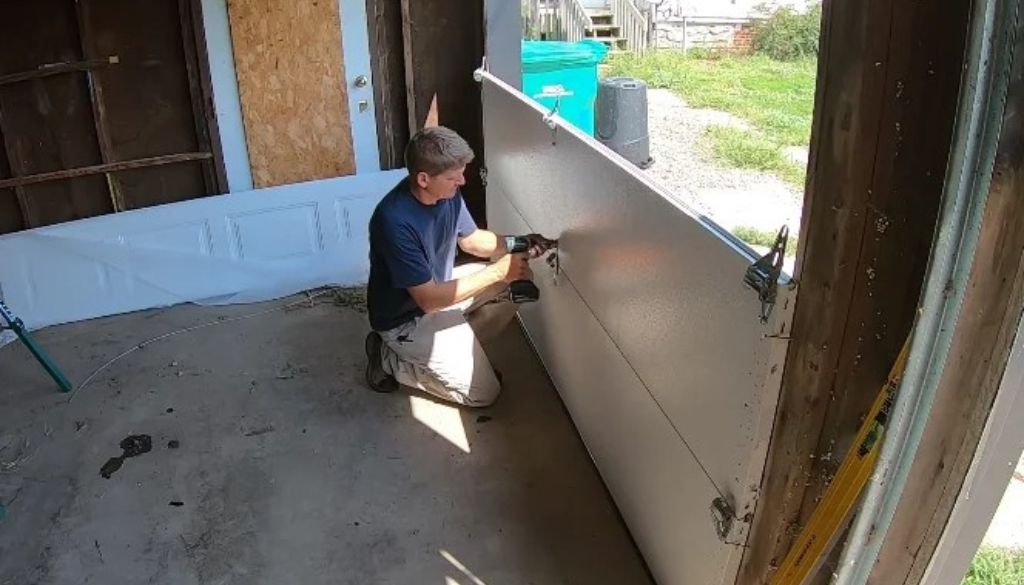
The problem is that spring trouble does not always announce itself clearly to a homeowner. Some people expect a dramatic break and a completely unusable door. Sometimes that happens. Other times, the symptoms are less obvious, especially in the earlier stages of wear. The door may feel different, sound different, or move with more effort. A professional knows how to recognize those changes before a full failure creates additional problems.
There is also the matter of paired wear. If one spring has reached the end of its useful life, the other may not be far behind. Replacing only the visibly failed spring can leave the system uneven and create balance problems. A technician can assess whether a matched replacement is the safer and more effective option.
Local conditions matter more than people think
Garage doors do not operate in a vacuum. Climate and environment affect how hardware ages. In the Gold Coast area, service providers note that salt air, humidity, and heat can affect garage-door hardware and may increase maintenance needs. That local wear pattern is not just a side note. It changes what a good diagnosis looks like.
For example, a technician working in a coastal environment may be more alert to corrosion and weather-related degradation as contributing factors. A homeowner might see a door that has become noisy or inconsistent and assume it is just “getting old.” A professional will look closer at how the local conditions have affected the system and which parts have been stressed first.
This matters because repairs are not only about restoring operation today. They are also about deciding what needs attention now to avoid another failure soon after. A diagnosis that ignores environmental wear can miss the bigger picture. A diagnosis that accounts for it gives the homeowner a more realistic plan.
What professional diagnosis usually includes
The value of a professional visit is not just in having someone with tools show up. It is in having someone who can interpret the door’s behavior accurately and safely. A thorough diagnostic process is often less dramatic than people imagine. It is built on observation, testing, and judgment.
Typically, a technician will:
- observe how the door travels during opening and closing inspect visible hardware and moving parts for wear or damage assess balance-related issues linked to spring condition evaluate whether the opener, motor, or remotes are functioning as they should determine whether repair, replacement, or broader servicing makes the most sense
That process can prevent two common mistakes. The first is replacing parts that are not actually the problem. The second is fixing one problem while missing the related wear that caused it or grew from it.
Servicing is often what prevents the awkward breakdown
Many garage door failures do not come out of nowhere. The signs are there, just easy to ignore until the day the door A1 Garage Doors Gold Coast refuses to close and the car is stuck inside or the garage is left unsecured. Some service providers recommend professional servicing every 12 months to help prevent breakdowns and extend the life of the door and motor. That advice is practical, not salesy. Mechanical systems usually reward regular attention.
Annual servicing gives a technician the chance to spot spring wear, opener strain, alignment drift, and hardware affected by local conditions before those issues become urgent. It also gives homeowners a baseline. When you know the system was checked within the last year, diagnosis becomes faster and more precise because there is less guesswork about how long a fault has been developing.
This is especially useful in areas where humidity, heat, and salt air can shorten the comfortable gap between “working fine” and “suddenly unreliable.” A door that appears normal from day to day can still be accumulating wear.
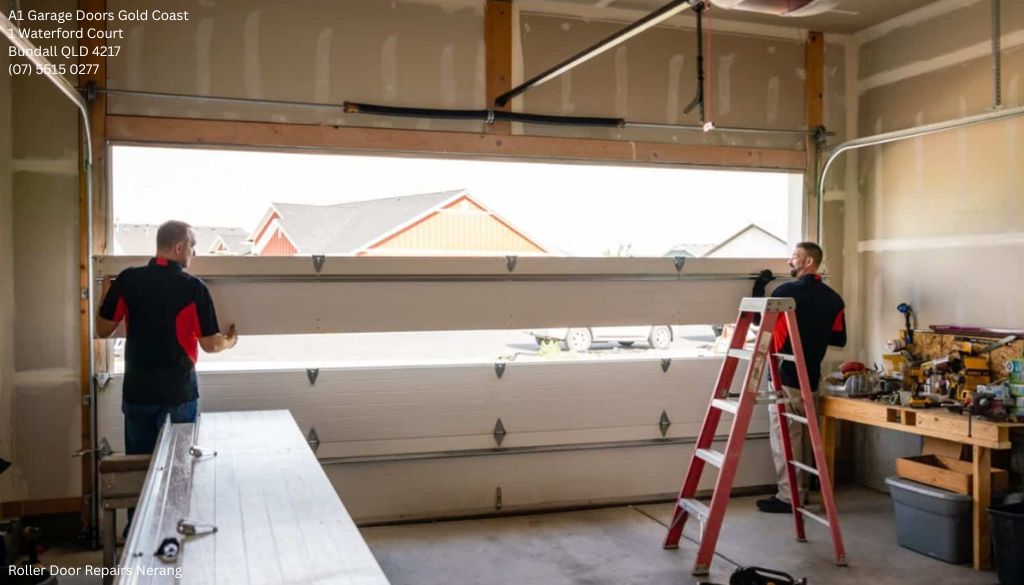
Why the cheapest fix is not always the most economical one
When a garage door not closing properly interrupts daily life, many people understandably want the fastest and least expensive solution. Sometimes that is exactly what is needed. A minor adjustment, a straightforward component replacement, and the door is back in service. But there are also cases where the lowest immediate cost leads to more expense later.
A classic example is selective repair without system assessment. If an opener is repaired while a worn spring or alignment issue remains, the opener may be pushed back into the same strain that contributed to the fault in the first place. If one spring is changed while the matching spring is near the end of its life, a second failure may not be far away. If environmental wear is left unaddressed in a coastal setting, the repaired component may be working alongside hardware that is already compromised.
Professional diagnosis helps you see those trade-offs clearly. It does not force the most expensive option. It helps you understand the likely outcomes of each option. For many homeowners, that is the difference between paying once with confidence and paying in stages through repeated inconvenience.
When it makes sense to stop troubleshooting and call someone
There is nothing wrong with basic observation. If the remote is not responding, if the door is making a new sound, or if movement has become uneven, noting those details is useful. It helps a technician. But there is a line between noticing symptoms and trying to fix garage door problems that involve tensioned parts, alignment, or powered systems.
A good rule of thumb is that if the door looks unbalanced, moves unpredictably, or may involve spring trouble, it is time for professional help. The same applies when repeated basic attempts have not solved the issue, or when the opener appears to be struggling without a clear reason. Guessing at that point usually adds confusion, not clarity.
The strongest case for a professional diagnosis is not that homeowners are incapable. It is that garage doors often fail in ways that are deceptively similar. The symptom says “won’t close.” The actual cause might be alignment, springs, opener wear, environmental damage, or some combination of the above. The right repair starts with knowing which one you are dealing with.
A door that closes properly is the result of a healthy system
People tend to notice the garage door only when it stops cooperating. That is normal. It is one of those household systems expected to work quietly in the background. But when it begins to hesitate, reverse, grind, or sit crooked, it is usually telling you something important. A closing problem is rarely just about the final few inches of travel. It is often the visible sign of a deeper issue in the system.
Professional diagnosis brings order to that confusion. It identifies whether you need garage door opener repair, spring replacement, garage door alignment correction, broader servicing, or a more complete plan based on wear. It also keeps safety in view, particularly where springs are concerned. In regions affected by salt air, humidity, and heat, it adds local knowledge that can make the difference between a temporary patch and a durable repair.
If your garage door is not closing properly, the smartest first move is not to assume the answer. It is to find out what the door is really trying to tell you.