A garage door rarely fails all at once. More often, performance slips little by little. The door sounds rougher than it used to. It hesitates on the way down. It sits unevenly when closed. The motor strains a bit longer than normal. Then one day the problem becomes impossible to ignore, usually when the door is needed most.
That pattern is one of the reasons garage door alignment matters so much. A well-aligned door tends to move more smoothly, place less stress on its moving parts, and respond more predictably to daily use. When alignment is off, even by a modest amount, the rest of the system often starts compensating. Tracks, rollers, springs, hinges, and the opener can all be affected in different ways.
In service work, people often call because the symptom is obvious but the cause is not. They ask for garage door opener repair because the motor is struggling, or they want to know why the garage door is not closing properly. Sometimes the opener is part of the issue. Sometimes it is only reacting to a door that is no longer moving squarely. That distinction matters, because replacing or adjusting the wrong component wastes both time and money.
What alignment really means in day-to-day use
Garage door alignment is not just about whether the door looks straight from the driveway. It is about how the door travels through its full range of motion and how evenly the system shares load while opening and closing.
When a door is aligned well, movement tends to feel controlled. The door follows its intended path, the hardware works together instead of fighting itself, and the opener does not have to compensate for avoidable resistance. The difference is often noticeable even to homeowners who are not mechanically inclined. A healthy door usually sounds more consistent and behaves the same way every day.
Misalignment can be subtle. A door can still open, still close, and still lock, yet operate under strain the entire time. That is why many performance problems start quietly. The door may remain usable while wearing itself down faster than it should.
This is especially worth watching in coastal and humid environments. In places such as the Gold Coast, salt air, heat, and humidity can affect garage door hardware and increase maintenance needs. That does not mean every problem comes from the climate, but it does mean small issues may develop sooner or progress faster if maintenance is neglected.
The connection between alignment and overall repair work
People often think of repair in separate categories: springs, motor, remote, tracks, panels. In practice, these parts interact. A technician may arrive for garage door opener repair and discover that the motor itself is not the root problem. If the door is out of alignment, the opener may simply be doing more work than it should.
That happens because the opener is designed to move the door, not force a badly balanced or skewed system into operation. When alignment drifts, the opener can become the most visible victim. Homeowners hear the motor, notice delayed travel, or see the door stop before it should. The natural assumption is that the operator has failed. Sometimes that is true. Other times the opener is only the messenger.
The same is true when a garage door is not closing properly. The fault could involve the opener, but it could also reflect uneven movement in the door itself. If one part of the system begins to bind or travel inconsistently, the closing cycle may become unreliable. Treating only the symptom may bring temporary relief, but performance usually improves more meaningfully when the full system is checked.
This is one reason routine servicing has value. Some garage door businesses recommend professional servicing every 12 months to help prevent breakdowns and extend the life of the door and motor. That interval is practical because it catches gradual wear A1 Garage Doors Gold Coast Queensland before it becomes a larger repair.
Common ways performance starts to decline
A door system is made up of multiple moving components, and the trouble often shows up as a pattern rather than a single dramatic event. From a service perspective, a few warning signs tend to justify a closer look:
- uneven movement during opening or closing increased motor strain or unusual effort from the opener repeated problems with the door closing fully hardware wear that appears to be progressing faster than expected recurring need for small adjustments
Those signs do not automatically point to one exact fault. They simply suggest that the system is no longer working as cleanly as it should. In many cases, the best fix garage door approach is not a rushed adjustment but a full inspection of how the parts are working together.
That broader view prevents a common mistake, which is solving one symptom while ignoring the conditions that caused it. A new motor on a poorly aligned door may still underperform. A fresh remote will not correct a closing problem rooted in mechanical strain. The repair has to match the real cause.
Why springs change the conversation
Any discussion of garage door alignment and performance eventually reaches the springs, because they play a central role in how the door moves and balances. They are also the point where caution becomes non-negotiable.
Industry and safety guidance is clear that garage door springs are under high tension and are dangerous to adjust or repair without proper training and tools. That is not just standard legal language. It reflects the real hazard involved. Springs store force, and mistakes around them can lead to severe injury.
From a practical standpoint, spring condition also affects alignment and motion. If spring performance changes, the door can stop moving as evenly as it should. That can show up as poor balance, irregular travel, or extra stress on the opener and other hardware. A door owner may first notice the symptom as a garage door not closing properly, but the imbalance behind it may have started elsewhere.
There is another point that matters during spring replacement. Safety guidance indicates that when one spring breaks, both springs may need replacement because they typically wear similarly and mismatched springs can create balance problems. That detail is often overlooked by homeowners trying to limit immediate cost, yet it has a direct impact on performance. A mismatched pair can leave the door operating unevenly, which defeats the purpose of the repair.
In real service situations, spring work is often where the difference between a temporary patch and a stable repair becomes clear. When the balancing components are not addressed properly, the rest of the system usually tells the story soon enough.
The effect of climate on door hardware
Garage doors live outdoors, even when they protect indoor space. That means local climate matters more than many people expect. On the Gold Coast, service providers note that salt air, humidity, and heat can affect garage door hardware. Over time, those conditions can contribute to increased maintenance needs.
This is not always dramatic. In many cases, climate influence shows up as faster wear, more frequent need for adjustments, or hardware that ages less gracefully than it might in a milder environment. Components that already have a small alignment issue may become more troublesome sooner under those conditions.
That matters for two reasons. First, people living near the coast sometimes assume rough operation is normal because the environment is hard on exterior fittings. Second, they may delay repairs because the door still functions. Yet a system working under strain in a salty, humid climate often benefits from earlier intervention, not later. The sooner alignment and wear issues are corrected, the better the chance of preserving both the door and the motor.
When the opener is the problem, and when it is not
Garage door opener repair is one of the most requested services in residential garage work, and for good reason. Motors, remotes, and automation components are standard parts of modern garage door systems, and regional service businesses commonly handle motor replacement, installation, and automation upgrades for existing doors.
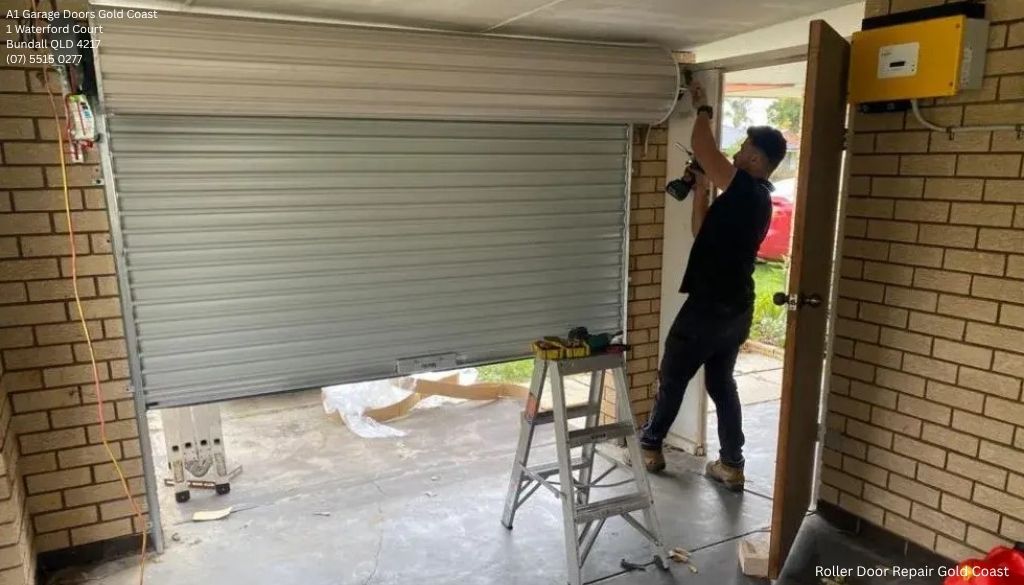
Still, it helps to separate operator faults from door faults.
A true opener problem may involve the motor or related control components. Since local providers commonly replace motors and install automation upgrades, that side of repair work is well established. If the opener has reached the end of its useful service life or has a fault that cannot be resolved economically, replacement may make sense.
But if the door itself is not tracking or balancing well, even a good opener can perform poorly. Homeowners often describe the same symptom in both cases: the door is slow, inconsistent, or not closing properly. That is why diagnosis matters more than assumptions. A motor should not be asked to overcome a mechanical problem every time the door cycles.
An experienced technician usually looks for relationships, not isolated symptoms. If the opener sounds strained and the door is moving unevenly, those facts are connected until proven otherwise. In that kind of job, fixing the opener alone may not really fix garage door performance.
Repair decisions that are worth making carefully
Not every issue calls for major work. Some doors need servicing and adjustment. Some need component replacement. Some benefit from automation upgrades if the existing motor or controls no longer serve the household well. The key is to avoid making repair decisions based only on the most visible symptom.
A sensible assessment often comes down to a few practical questions:
- is the problem isolated to one component, or is the whole system showing strain has the issue appeared suddenly, or has performance been declining over time are the springs, motor, and door movement still working in balance would servicing restore proper function, or is replacement more realistic is the environment likely accelerating wear on the current hardware
Those questions help frame the scope of the work. A door with a single failed part is one thing. A door with alignment issues, an overworked motor, and aging hardware in a harsh coastal environment is another. The right repair can be modest or extensive, but it should fit the actual condition of the door.
This is where homeowners sometimes appreciate plain advice more than technical detail. If the door can be serviced and returned to stable operation, that is often the most economical path. If the system is consuming repeated callouts and placing stress on the opener, a deeper repair may cost less over time. There is judgment involved, and good judgment rarely comes from focusing on one part alone.
What safe ownership looks like
Most owners do not need to understand every component in depth, but they do benefit from understanding the limits of do-it-yourself work. Basic observation is useful. Risky mechanical intervention is not.
A homeowner can notice whether the door has become harder to operate, whether the motor sounds more strained, or whether the door is not closing properly. Those observations are valuable because they help catch problems early. What should not happen is untrained adjustment of high-tension parts. Springs are the clearest example, but any repair that affects balance or load should be approached with caution.
This is one area where experience really changes the outcome. Many alignment problems are not difficult to spot once you know how the system should move under normal conditions. The challenge is understanding what is safe to adjust, what is beginning to fail, and what signs point to a deeper imbalance. A confident guess is not the same thing as a proper repair.
Servicing as performance protection, not just breakdown response
People often book garage service only after a failure. That is understandable, but it is usually more expensive in stress than in money saved. A garage door cycles repeatedly over the course of ordinary life, and performance issues tend to build in stages. Servicing breaks that pattern.
Professional servicing every 12 months is often recommended to help prevent breakdowns and extend the life of the door and motor. That advice is practical rather than promotional. A yearly interval gives a technician a chance to inspect the moving system, identify wear, and address smaller issues before they become damaging ones.
For owners in coastal areas, that schedule can be especially sensible. Salt air, humidity, and heat do not guarantee trouble, but they do justify more attention to hardware condition. A door that works hard in that environment benefits from consistent care.
There is also a less obvious benefit. A regularly serviced door is easier to garage door resource diagnose when something does go wrong. If the system has a known maintenance history, it is simpler to identify what has changed. Without that history, every problem starts from uncertainty.
The practical goal: smoother movement, less strain, better reliability
When people say they want to fix garage door problems, they are usually asking for something straightforward. They want the door to open and close reliably, without drama, without excessive noise, and without wondering each day whether it will get stuck. Better alignment supports all of that.
A door that moves cleanly places less unnecessary demand on its opener. A balanced system is easier to service intelligently. Proper spring replacement avoids creating new balance problems. Climate-aware maintenance helps hardware last better in demanding conditions. Annual servicing catches drift before it becomes failure.
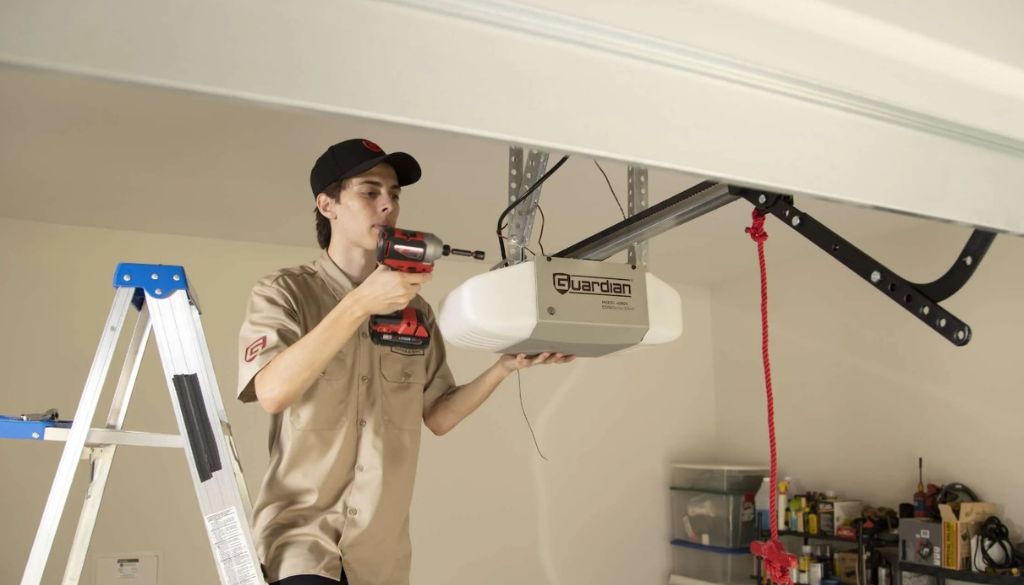
None of that is flashy. It is simply how reliable garage door performance is built and preserved. Good repair work does not only restore movement for the moment. It improves the relationship between the door, the springs, the motor, and the hardware so the whole system can work the way it was meant to.
When that relationship is right, the difference is obvious. The door feels settled. The opener sounds less burdened. Closing becomes predictable again. And what looked at first like a random nuisance often turns out to have been a repairable alignment issue all along.